
Expansion Bellows
Expansion Bellows are critical component that designed to control the thermal expansion and movements in piping systems. These flexible devices are typically installed to absorb mechanical forces, vibrations and miss-alignments, ensuring that the integrity of the piping system remains intact during fluctuations in temperature and pressure. When exposed to high temperatures, materials can expand and if not properly managed, this could lead to stress, resulting in pipeline failure or damage.
Expansion Bellows are available in various materials such as Stainless Steel, Rubber and Fabric cloths, each selected based on the specific demands of the application. The design of these Bellows can vary significantly, tailored to suit specific industry applications such as HVAC, manufacturing and petrochemical processes. By absorbing thermal expansion and compensating for lateral or angular movement, Expansion Bellows play a crucial role in preventing leaks and structural failures within piping systems.
Expansion Bellows use
Expansion Bellows are used in Pipelines at various industrial sectors as per their needs. Know about detailed application of Expansion Bellows here :
- Steel Plants : Expansion Bellows are used in Steel Plants as it helps to absorb the stress caused by thermal expansion. This functionality is vital to maintain system integrity and avoid potential leaks or ruptures that could compromise operations and safety.
- Cement Plants : Expansion Bellows are used to connect equipment such as pre-heaters and kilns, allowing for movement without transferring stress to adjacent structures. Such applications not only enhance the longevity of the equipment but also minimize maintenance downtime.
- Boiler Plants : Application of Expansion Bellows are found in Boiler Plants for handling the dynamic pressures and temperatures encountered. These components assist in maintaining the alignment of pipelines, reducing the risk of mechanical failure due to expansion discrepancies.
- Thermal Power sectors : Expansion Bellows are utilized within steam and hot water distribution systems. By compensating for thermal movement, they ensure efficient and safe operation, helping to extend the lifespan of boilers and turbines.
- Petro-chemical industry : Uses of Expansion Bellows are done here for various processes, from refining to chemical production. Their adaptability to extreme conditions helps manage fluctuations in temperature and pressure, thereby preventing structural damage and enhancing overall system reliability.
- HVAC systems : Expansion Bellows application in HVAC systems to optimize airflow and manage temperature changes, providing essential flexibility in duct work. Furthermore, they play a role in environmental systems, chimneys, and water pipelines, where they mitigate stress and maintain operational efficiency even in severe conditions.
Expansion Bellows types
There are three types of Expansion Bellows are found in general as per their uses and application :
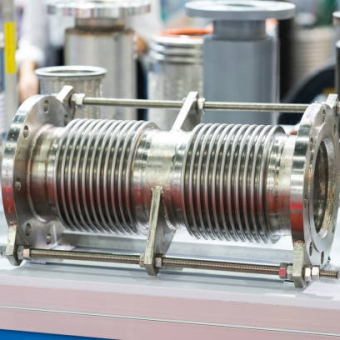
- Metallic Expansion Bellows : This type of Expansion Bellows are critical components used in various applications where flexibility and strength are essential. These Bellows are constructed from metals such as Stainless Steels, which provide substantial tensile strength and durability. Due to their construction, they are particularly adept at accommodating thermal expansion and contraction in piping systems. A significant advantage of this Bellow lies in their ability to resist deformation under substantial pressure, allowing for seamless operation even in challenging environments.
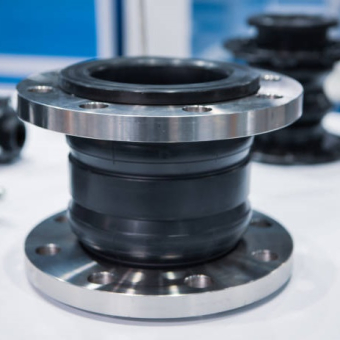
- Rubber Expansion Bellows : This type of Expansion Bellows are important components in various piping and duct systems, known for their excellent flexibility and adaptability to various operational environments. Made primarily from synthetic elastomers or natural rubber, these Bellows serve as crucial devices for absorbing vibrations, accommodating thermal expansion and mitigating noise. The construction of this Bellow typically involves layering rubber with steel reinforcements to enhance durability and resilience. These materials are chosen for their ability to withstand the operational conditions without compromising flexibility.
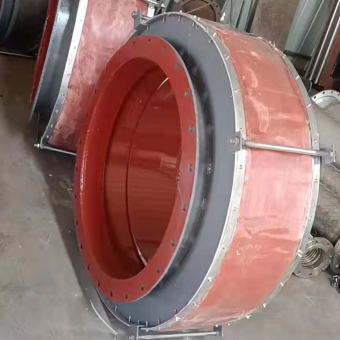
- Fabric Expansion Bellows : This type of Expansion Bellows are serve as an essential component in various industrial applications, particularly where flexibility and weight reduction are critical. These Bellows are typically constructed from synthetic materials, with fiberglass and specialized textiles being the most common choices. One key characteristic of fabric expansion bellows is their lightweight properties, which makes them easier to install and maintain compared to their metallic counterparts. This is especially advantageous in systems where minimizing the overall weight is necessary.
Expansion Bellows price
Expansion Bellow’s size parameters plays a critical role in determining their cost. Two fundamental dimensions that significantly influence pricing are the inner diameter and the length of the bellows. A larger inner diameter often leads to higher manufacturing costs, as producing larger materials requires specialized equipment and techniques.
- Price according to Length : Length is another vital size parameter that contributes to the Expansion Bellows prices. Longer bellows generally require more raw material, resulting in increased labor and material costs during the manufacturing process. Furthermore, the installation requirements can vary with the length of the bellows, as longer expansions may necessitate additional support or modifications to the surrounding infrastructure.
- Price according to Raw-material grades : Stainless Steel is often favored than other materials for its superior corrosion resistance and strength. Types such as 304 and 316 stainless steel are widely used in the manufacture of Expansion Bellows, especially in environments that involve exposure to harsh chemicals or extreme temperatures. Although Stainless Steel generally increases the overall cost of Expansion Bellows, its longevity and reliability can offset these expenses in critical applications.
- Price according to Flange size & Raw-materials : The material of the Flanges are typically decides the cost of entire Expansion Bellows and ensure the compatibility and providing a secure connection within the piping system. The selection of flange material impacts both the installation process and the overall performance of the Bellow. In choice-making, factors such as operating environment, pressure levels, and expected temperature ranges must be thoroughly evaluated.
- Price according to Temp & Pressure bearing capacity : The Price of Expansion Bellows are significantly influenced by their temperature and pressure bearing capacities. These capabilities are crucial in determining the suitability of a particular Bellows for specific applications within various industries, such as Oil and Gas, chemical processing and power generation.
- Price according to design : The design of the Bellows, including it’s thickness, convolution profile and overall dimensions, also plays a vital role in Expansion Bellow’s pricing. Thicker walls and more convolutions often provide better flexibility and durability, allowing the Bellows to adapt to dynamic movements in piping systems. However, these design enhancements tend to increase production costs, which are then reflected in the final price.